
Our mahi
Practical work for a healthier awa
From preparing sites and growing native plants to monitoring water health and working with kura, KWTAT connects the practical steps that support long-term restoration.
How it works
One connected approach
Monitoring helps the Trust understand conditions and track change. The nursery supplies native plants. Restoration puts that knowledge into action, while kura and community participation build the relationships and shared responsibility needed to care for the awa over time.
Restoration
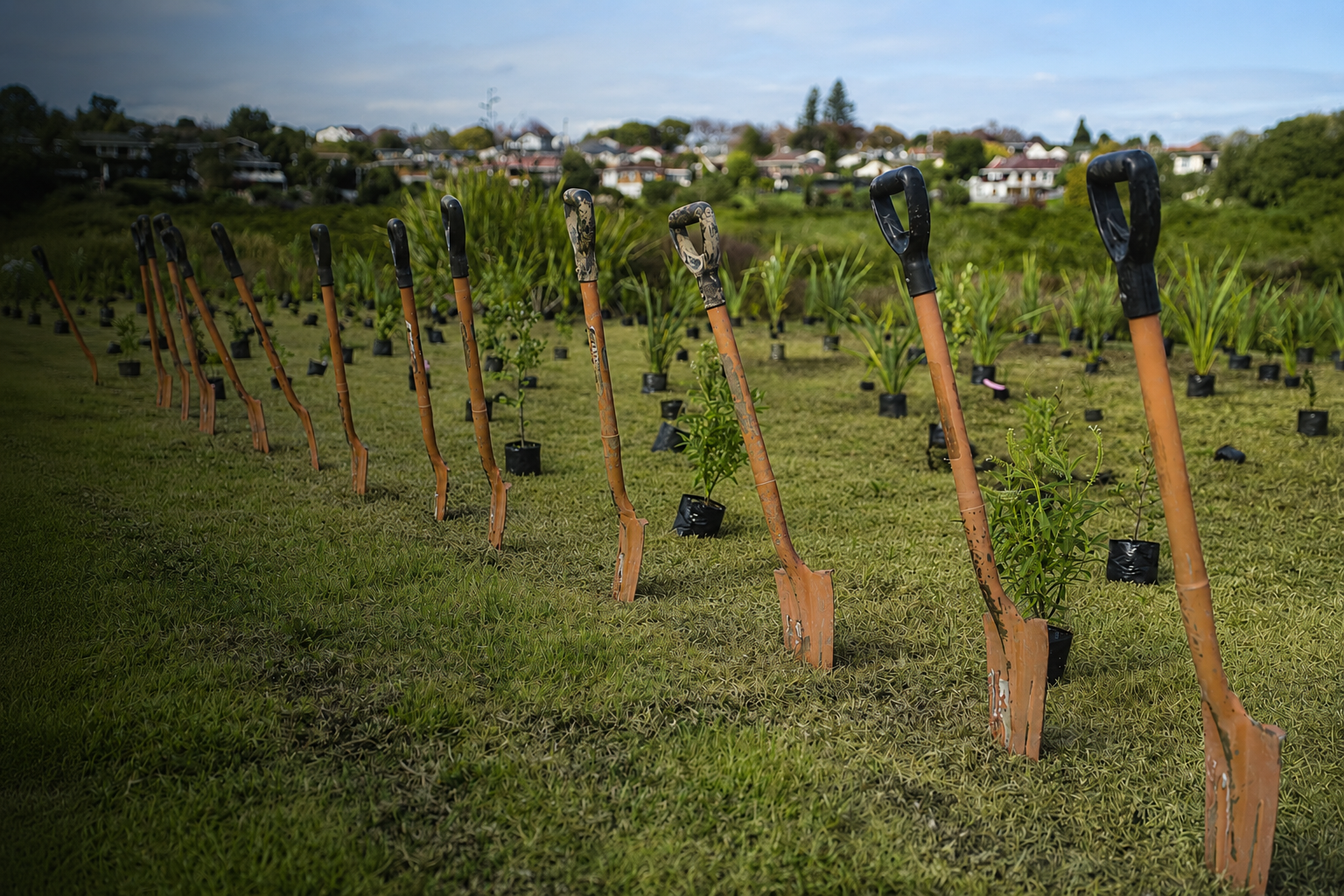
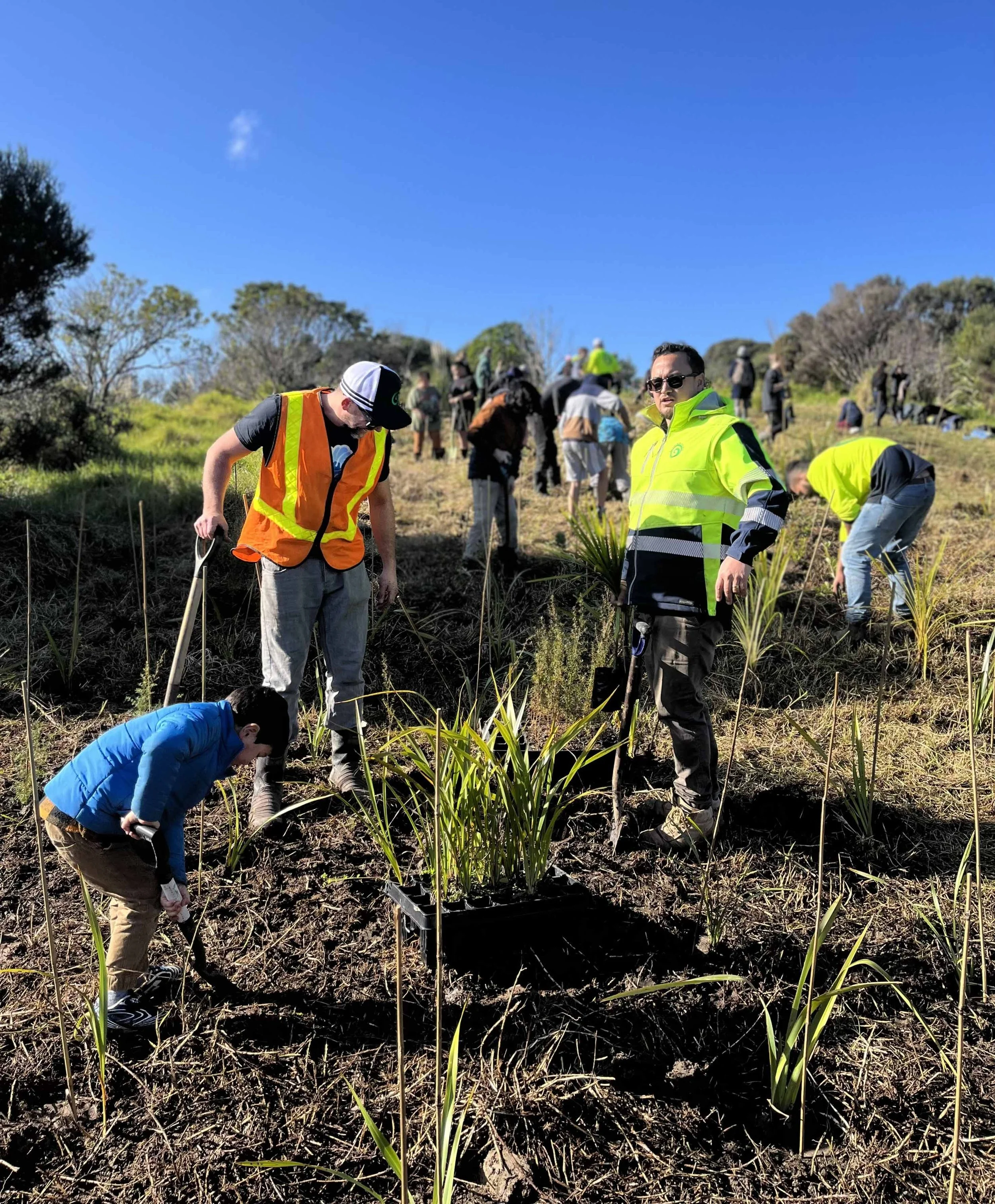
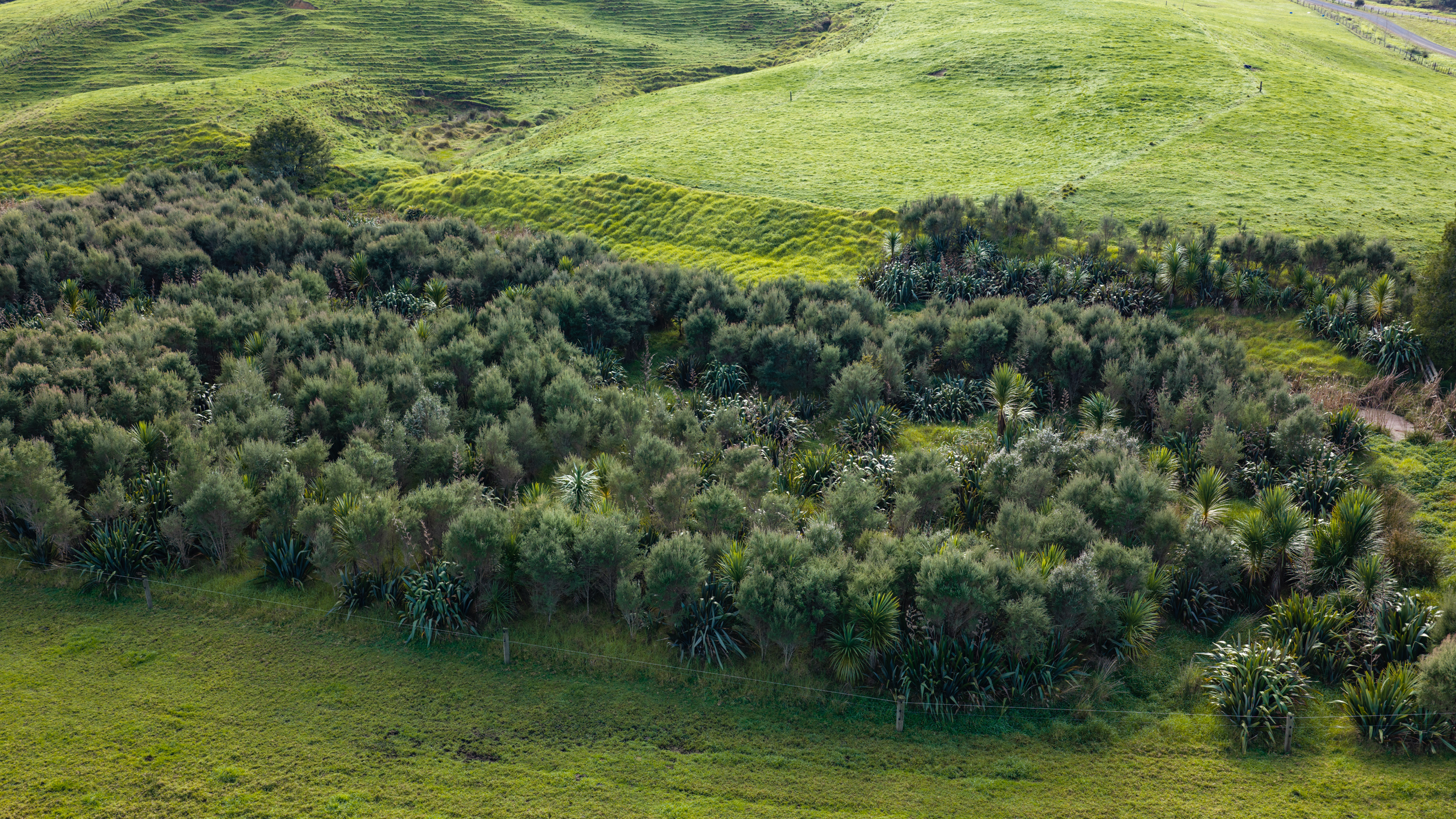
KWTAT prepares and maintains planting sites, controls weeds and establishes native vegetation across riparian, wetland and hill-country areas. The work supports more stable waterways, stronger habitat and improved conditions across the catchment.
Monitoring
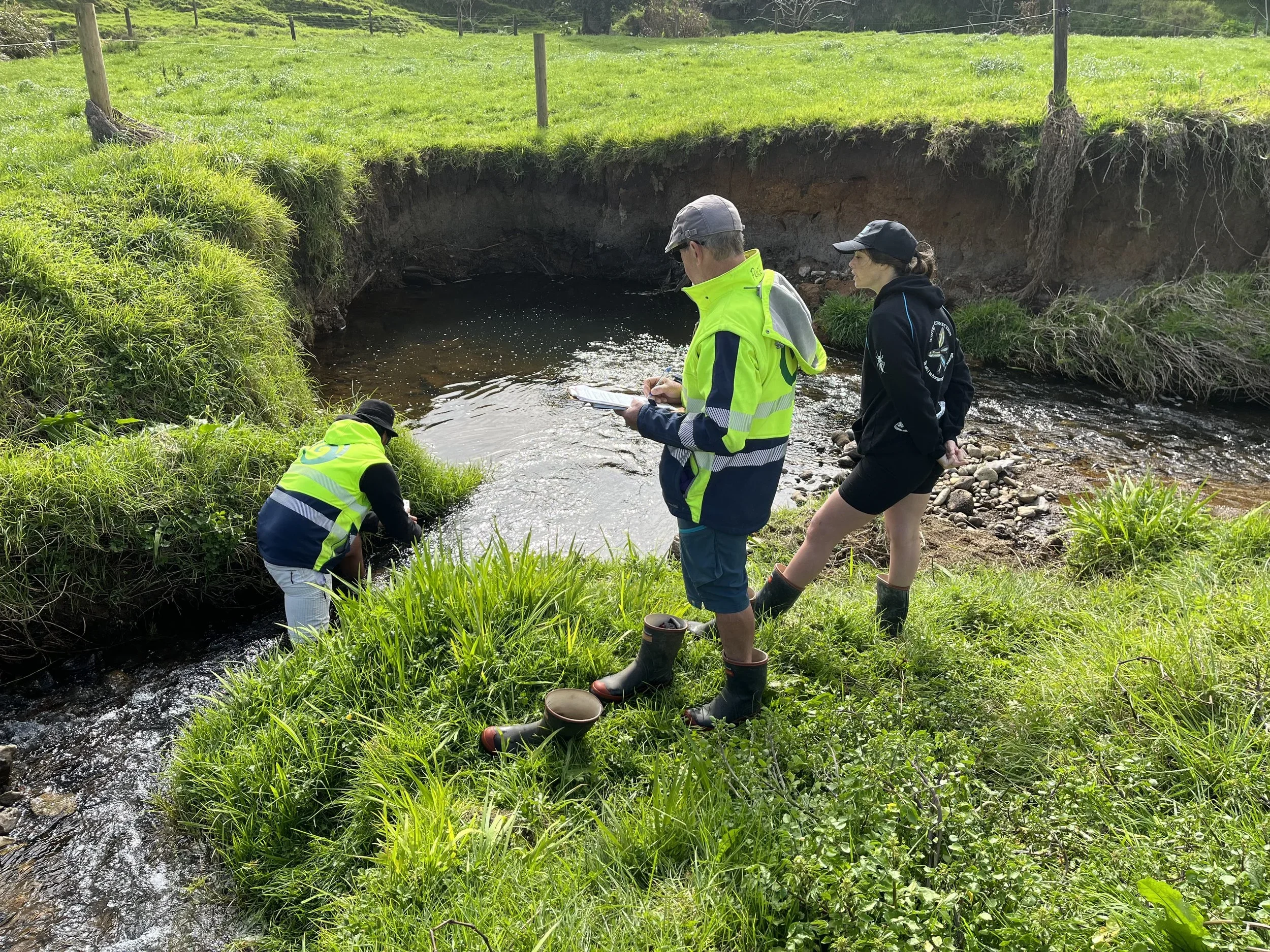
The team undertakes freshwater and saltwater monitoring to understand river health and track change over time. SHMAK visual habitat assessments provide a consistent way to score stream conditions, while Waita monitoring looks at shellfish beds at the river mouth and in the wider Bay of Islands.
We have an excellent set of equipment available to deploy for projects including a high-end drone with vegetation sensors, Riverwatch remote monitoring devices, birdsong monitors and a thermal camera for pest detection/control.
Kura/Schools and community
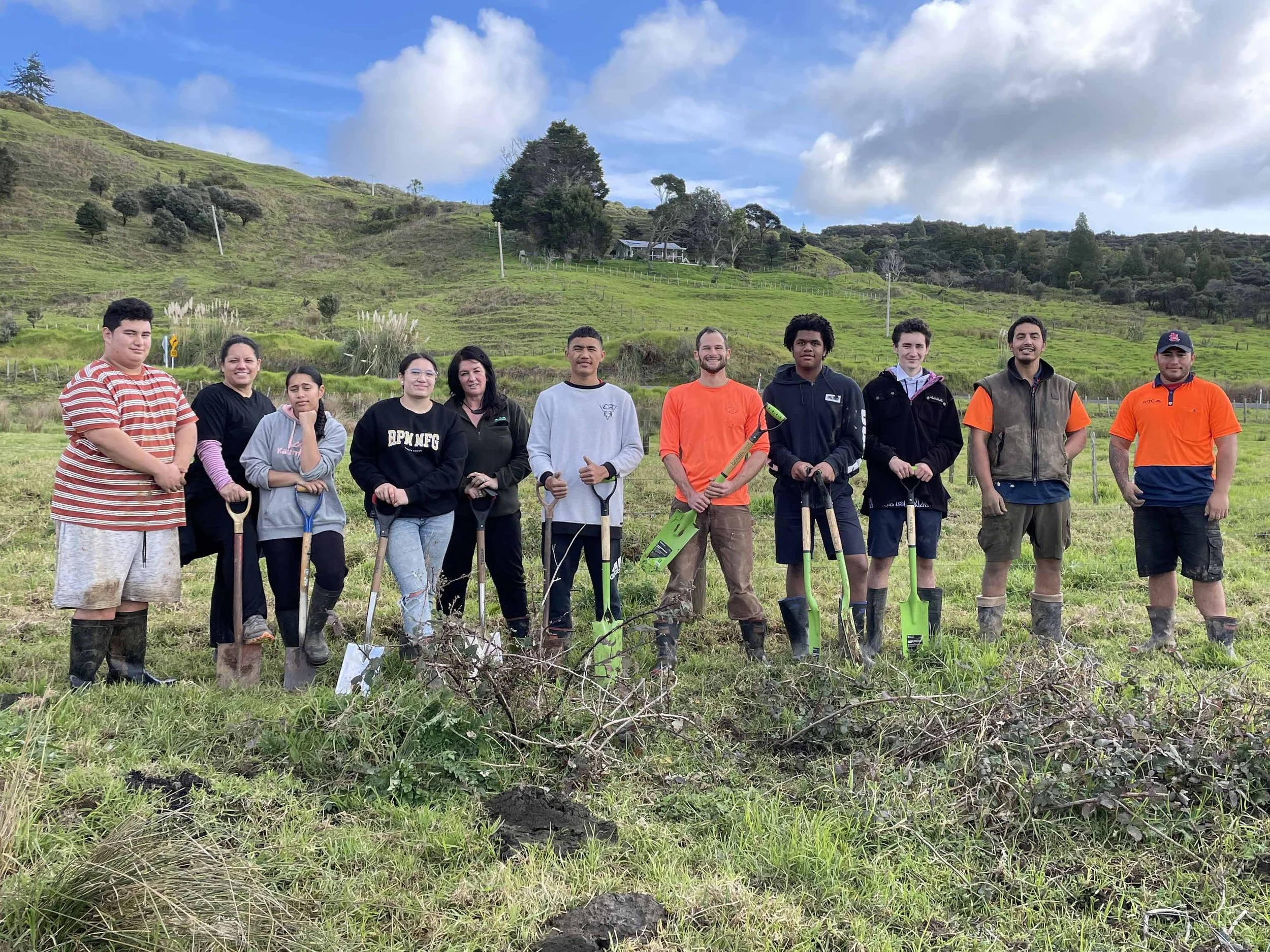
Planting days and wānanga give tamariki and rangatahi practical experience of caring for the awa. Activities have included work with Ohaeawai, Pakaraka and Oromahoe primary schools, and freshwater monitoring wānanga delivered with Whitebait Connection.
We have also planted thousands of seedlings with Bay of Islands College students.
Native nursery and plant supply
Growing and caring for native seedlings that support restoration across the catchment.
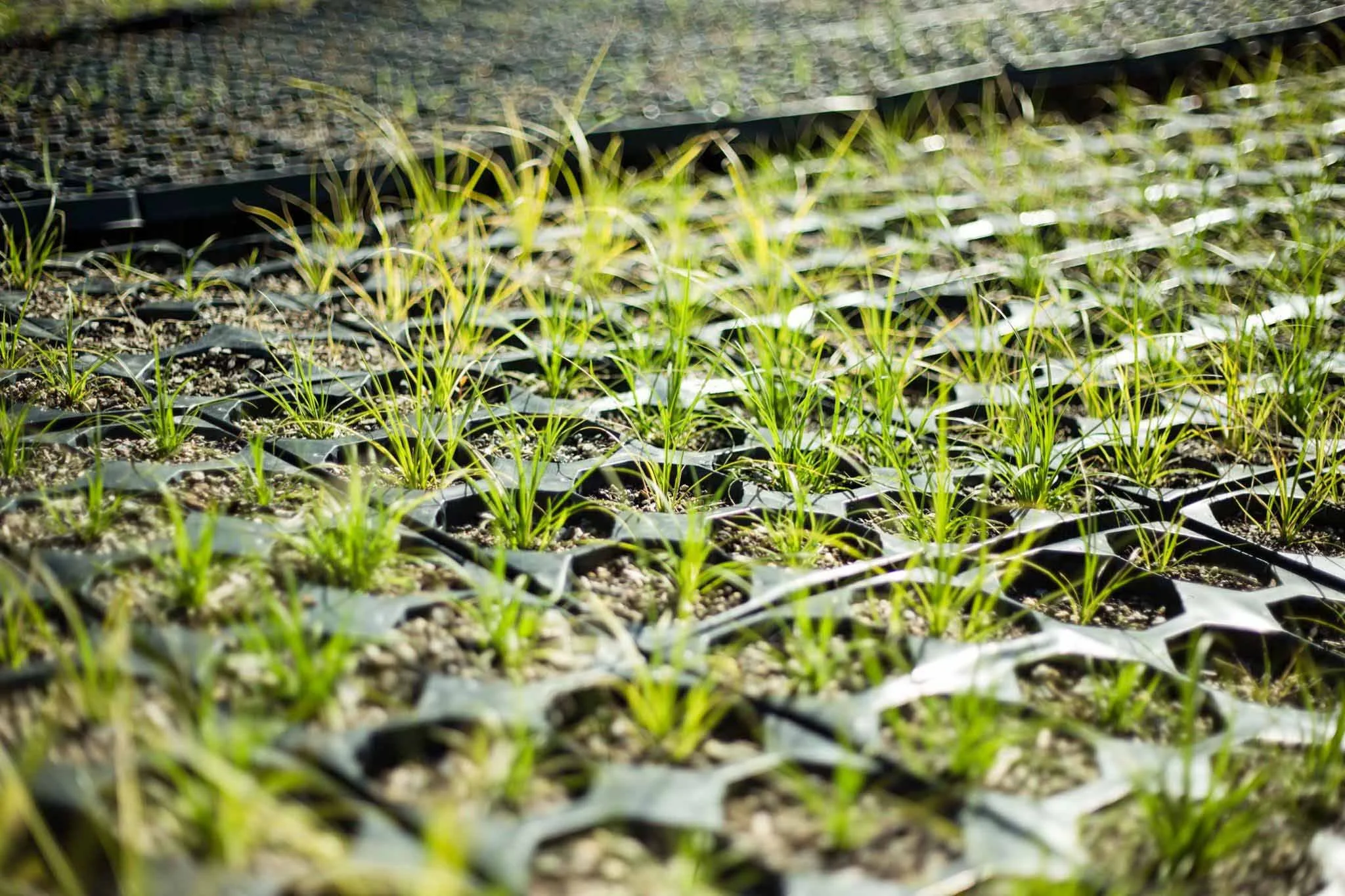
We have a fully operational native plant nursery in Waimate North, with the capacity to produce over 100,000 native seedlings per annum.
Let’s work together for the awa
Whether you’d like to support a project, explore a partnership or learn more about the Trust’s mahi, we’d love to hear from you.