
The Awa
Te Awa o Waitangi
From Lake Ōmāpere to the Bay of Islands, Te Awa o Waitangi connects whenua, whakapapa and generations of people across a living catchment.
An awa shaped by people, place and generations.
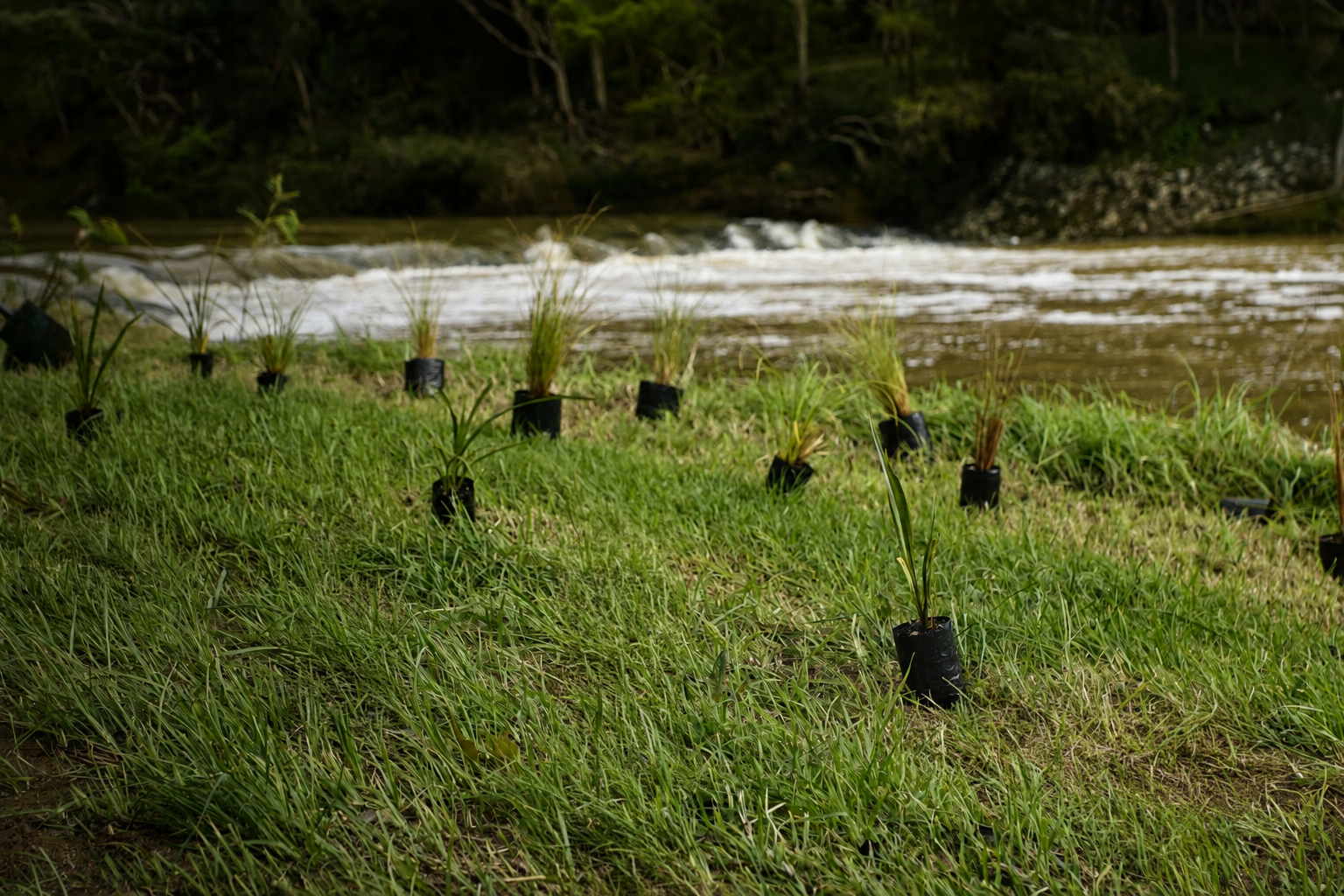
The Waitangi River winds from its source near Lake Ōmāpere and the surrounding wetlands to Te Haruru Falls, before flowing out to the Bay of Islands.
Its upper reaches are known as the Hē River, descending from Tangi a Te Koukou to Ōkuratope. Along the way, each bend and stretch of the river carries its own name, whakapapa and story, including Te Wai a Whitinga, Whāngai Makariri, Whakataha and Te Haruru.
The name Te Haruru reflects the many people who have lived, travelled and gathered along the river over generations. The awa has long been a place of connection, movement and history, including periods of conflict both before and after colonisation.
30,000+
Hectares
The scale of the awa
The Waitangi River catchment covers more than 30,000 hectares and includes wetlands, waterways, farmland and communities across the wider landscape.
Much of the catchment is affected by erosion-prone land, making long-term restoration, monitoring and careful land management essential to improving the health of the awa.
A catchment with whakapapa
Te Awa o Waitangi is more than a waterway. Its names, places and stories connect people to whenua, whakapapa and generations of history.
Understanding that relationship is central to how the catchment is cared for today and how restoration work is approached across the landscape.
The awa sustains us.
〰️
Together, we restore it.
〰️
The awa sustains us. 〰️ Together, we restore it. 〰️
Restoring the catchment
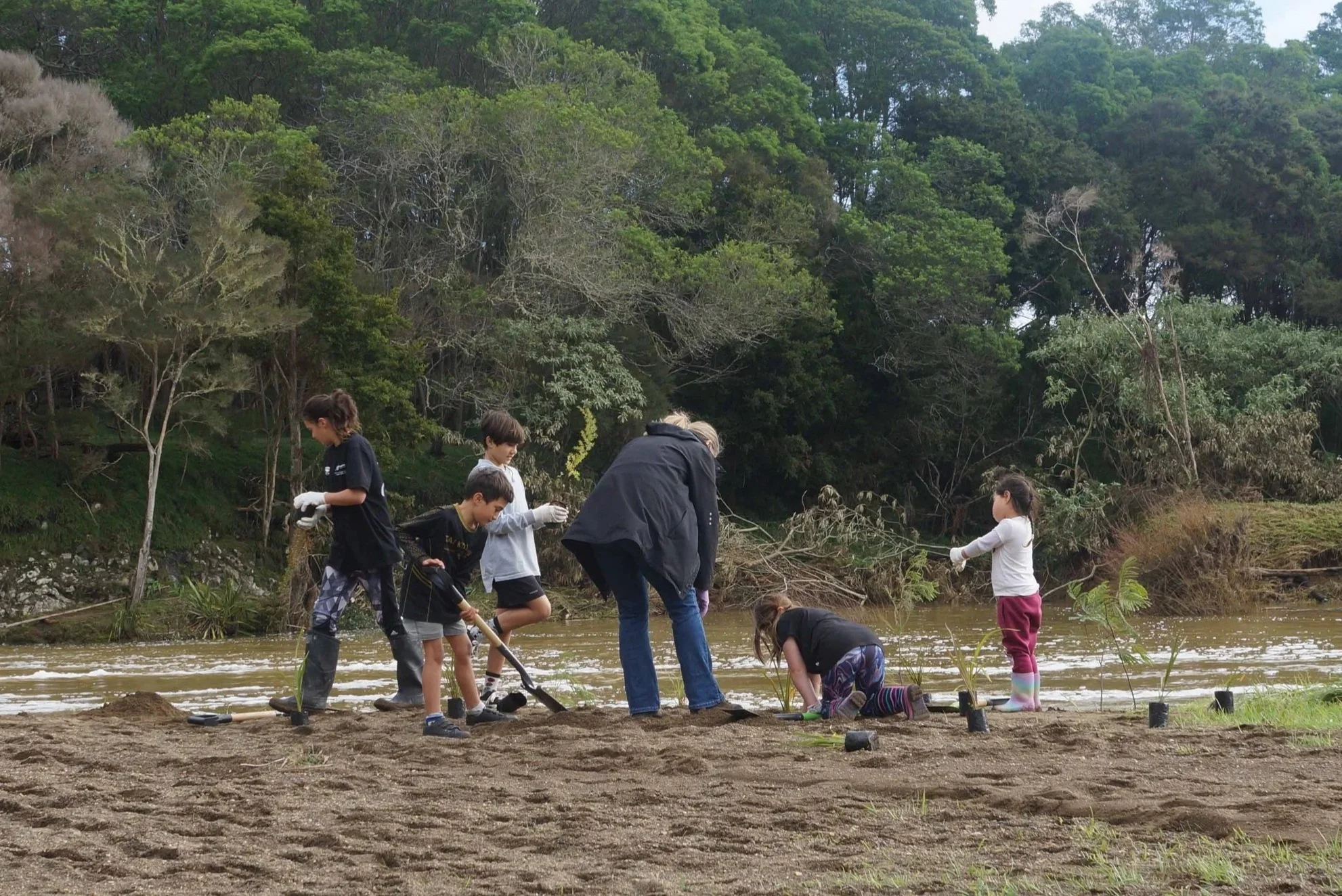
Ko Waitangi Te Awa Trust works with communities, kura, landowners and partners to support the long-term regeneration of the catchment.
The Catchment Restoration Plan helps guide this work, bringing together practical restoration, monitoring, education and partnerships to restore the health and mana of the awa.
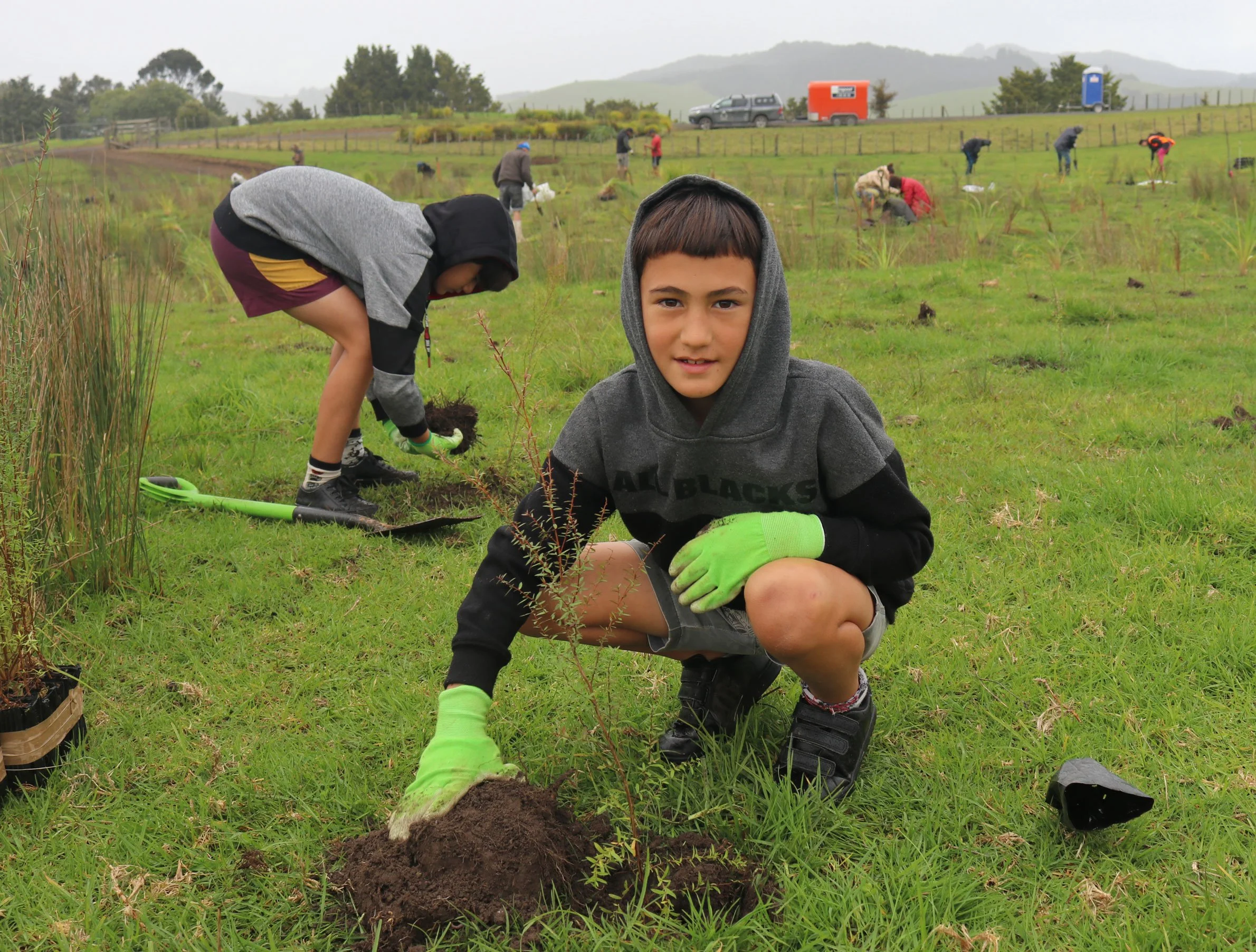
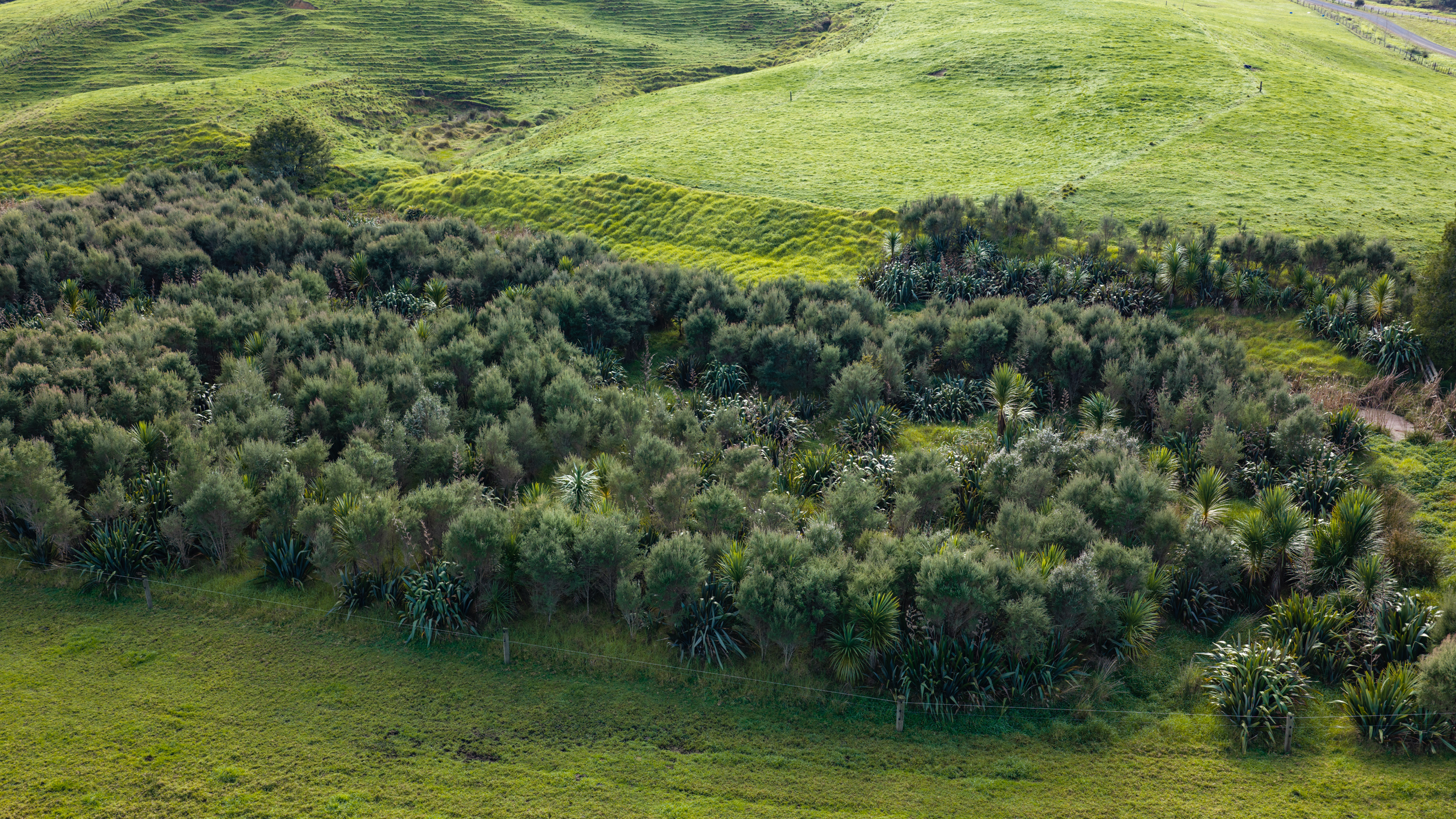
Image by Peter de Graaf
Let’s work together for the awa
Whether you’d like to support a project, explore a partnership or learn more about the Trust’s mahi, we’d love to hear from you.